Innovative Technologies for Harmful Algal Blooms Grant Program
Investing in Clean Water, Strong Communities, and Sustainable Tourism
Gulf Specimen Marine Lab received an Innovative Technology for Harmful Algal Blooms grant award. The grant program was funded by the Florida State Legislature and implemented by the Florida Department of Environmental Protection. The program’s purpose is to award grants for projects that evaluate and implement innovative technologies and short-term solutions to combat algal blooms and nutrient enrichment, restore and preserve Florida waterbodies, and implement certain water quality treatment technologies.
Why clean water matters?
Clean water is essential for:
Healthy wildlife and marine ecosystems
Safe recreation that protects public health
Thriving local economies
Preserving Florida’s natural beauty for future generations
At Gulf Specimen Marine Lab, we see firsthand how water quality impacts marine life—from sea turtles to seahorses—and why preserving good water quality is critical.
What projects are eligible for the Innovative Technology Program Funding?
This program provides funding and support for new and emerging technologies that prevent, mitigate, or clean up harmful algal blooms; prevent blooms by reducing the nutrients entering fresh and estuarine water ways or remove the supply of nutrients available to promote blooms within waterbodies; and can predict, forecast or model harmful algal blooms.By investing in innovativetechnologies, the state of Florida is helping communities adopt smarter, more efficient ways to protect the state’s environmentally important fresh and estuarine water bodies.
How this Program Helps
Through programs like the innovative technologies grant program, Gulf Specimen Marine Lab can serve as a research site for advanced water filtration and treatment systems that improve habitat conditions for marine ecosystems and a model for sustainable environmental practices statewide.
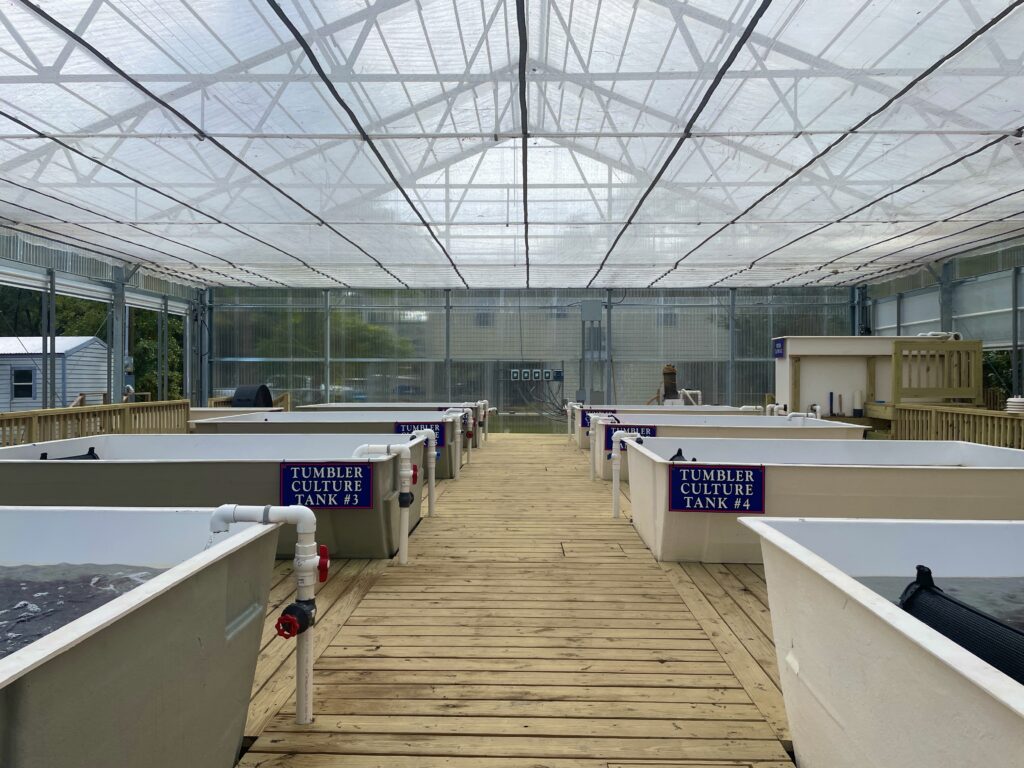
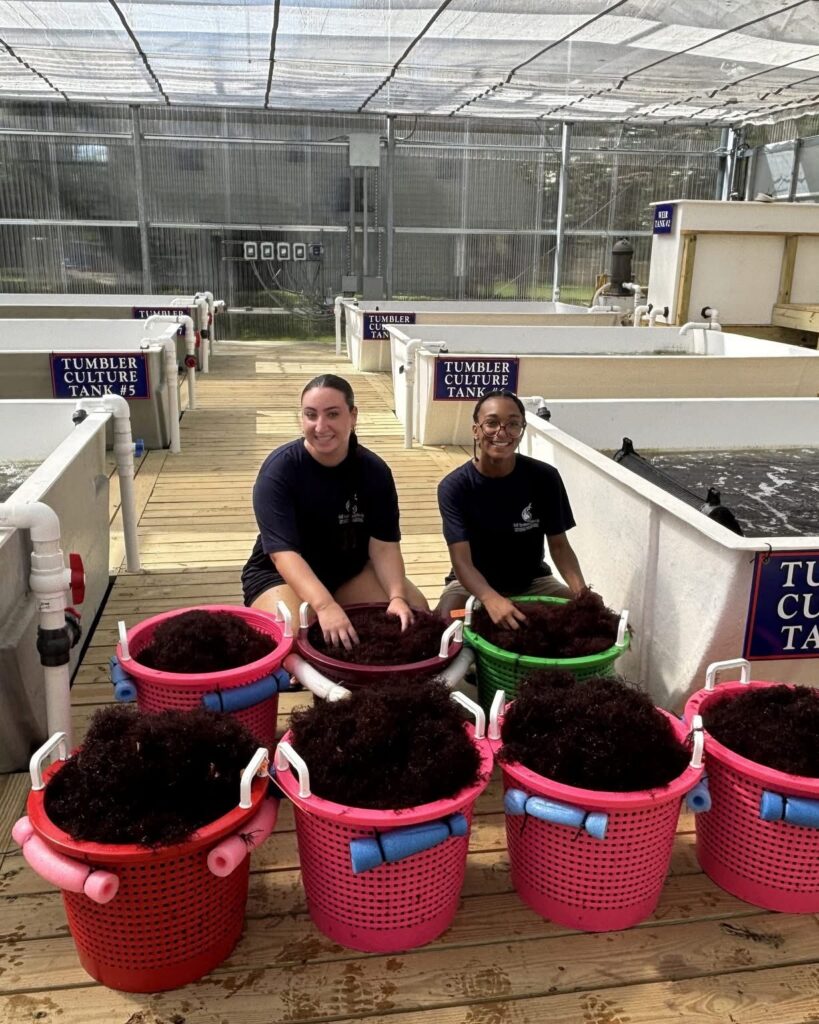
Tumbler Tanks full of Algae in the Greenhouse Facility
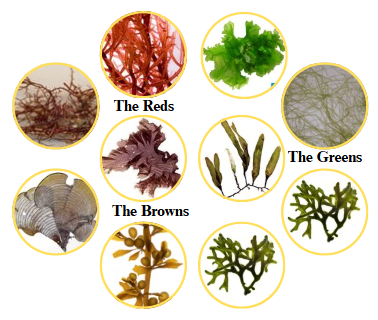
Algae in Apalachee Bay: Choosing the Right Fit
Some Algal Species
At Gulf Specimen Marine Lab, we carefully evaluated these different types of algae to determine which best fits our greenhouse project. Our goal was to identify those species that thrive while also removing excess nutrients from the water.
To do this, our team led by a world-renowned expert in seaweed, Dr. Brian LaPointe from Harbor Branch Oceanographic Institute, collected multiple types of algae directly from Apalachee Bay. These specimens were monitored for their growth, resilience, and nutrient absorption abilities under controlled conditions in the greenhouse.
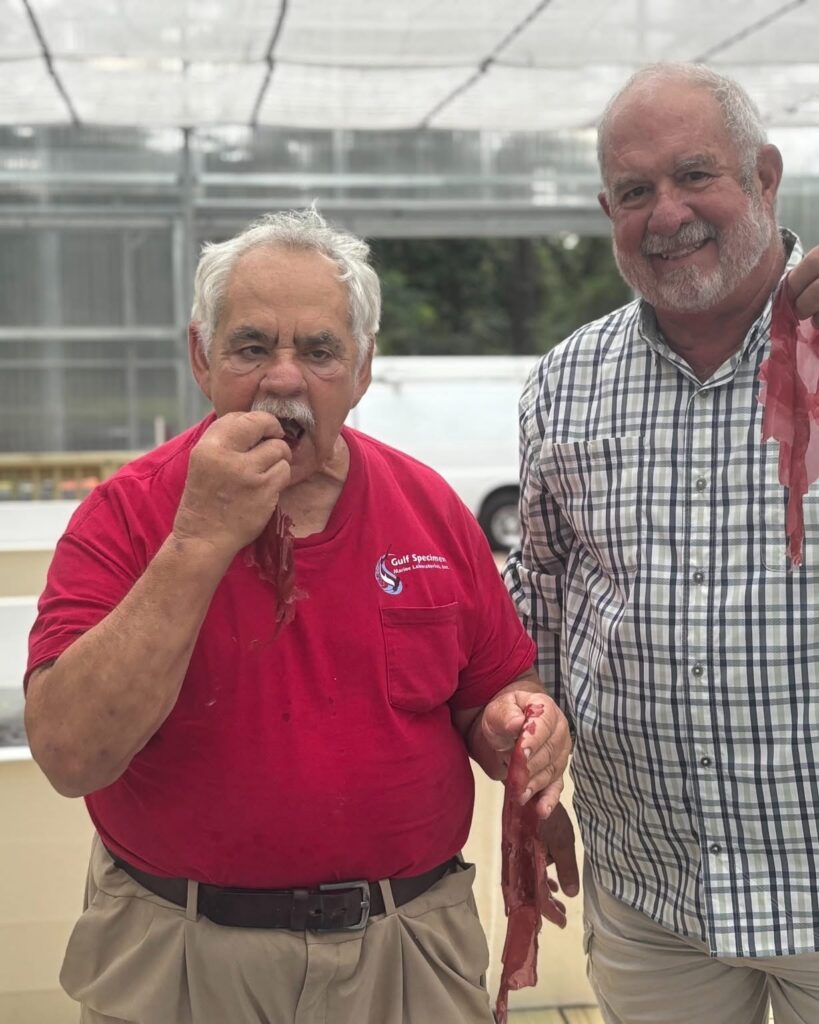
By comparing each species’ performance, we selected the most effective candidates for our project, which were red algaes. The best performer overall was Hypnea spinella, a red edible algae.
Harmful Algal Blooms
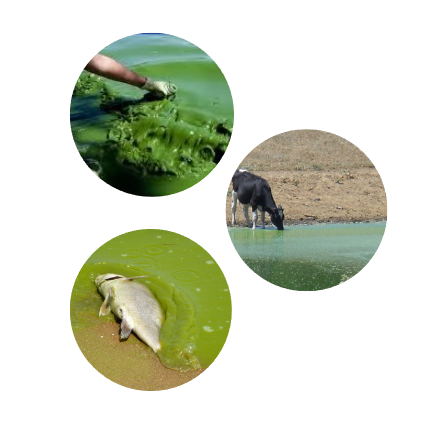
Blue-Green algae blooms in our waters can affect Humans, Animals, and our environment
Humans: Exposure can cause skin irritation, respiratory issues, and illness through direct contact or ingestion
Animals: Pets, livestock, and wildlife may become sickened after exposure to harmful algal blooms
Our Environment: Blooms block sunlight and deplete oxygen, leading to fish and seagrass kills that damage the aquatic ecosystems.
How our Greenhouse helps prevent Harmful Algal Blooms
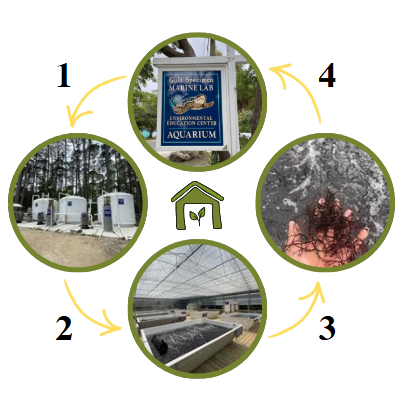
The Process
Wastewater from the aquarium is pumped to the storage tanks and pretreated by the centrifuges and protein skimmers to remove nutrients
Pretreated wastewater combined with aquarium water is pumped to the greenhouse into algae tumbler tanks, where nutrients are absorbed by the algae as it grows
Every week, the red algae, Hypnea spinella, doubles in mass while removing nutrients such as phosphates and nitrates. The excess Hypnea is harvested to feed aquarium animals and composted for fertilizer
Treated water is returned to the aquarium
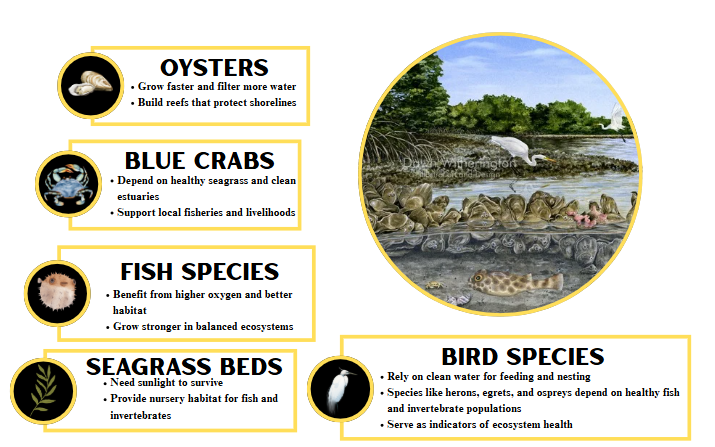
Good Water Quality All Around
Supporting Local Economies and Tourism
Healthy waters mean:
Better fishing and crabbing
More wildlife to see and experience
Cleaner, more beautiful coastlines
Tourism depends on clean water. From eco-tours to wildlife viewing, a healthy bay supports jobs, businesses, and coastal communities.
Finding the Balance
As our communities grow, so does the need to protect our natural resources.
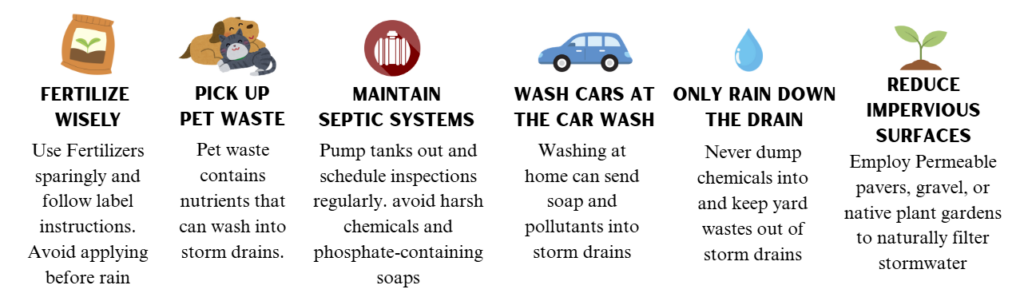
Programs such as Gulf Specimen Marine Lab’s greenhouse and the Innovative Technology for Harmful Algal Bloom program helps us:
Reduce human impact on waterways
Use science and technology to improve sustainability